
Lyme disease – Lyme disease test
The reliability of blood tests turns out to be insufficient to determine if we have Lyme disease. The results are often false negative, which gives the illusion that we do not have Lyme disease, while the disease in hiding destroys our health. An alternative is the Bicom method, which allows you to precisely determine the presence of Borelia bacteria in our body and the degree of infection. It is recommended in both recent infections and chronic cases.
The Bicom study is a German method of diagnosis of health status and detection of various loads including pathogens such as Borelii bacteria. This is the so-called vegetative-predictive method and consists in reading the bioresonance frequencies of individual loads. In the case of borreliosis, the bioresonance signal of Borelia bacteria is read from the patient’s body. The test is performed on special devices, called bioresonance, which read signals of what lives in our body.
How does infection occur?
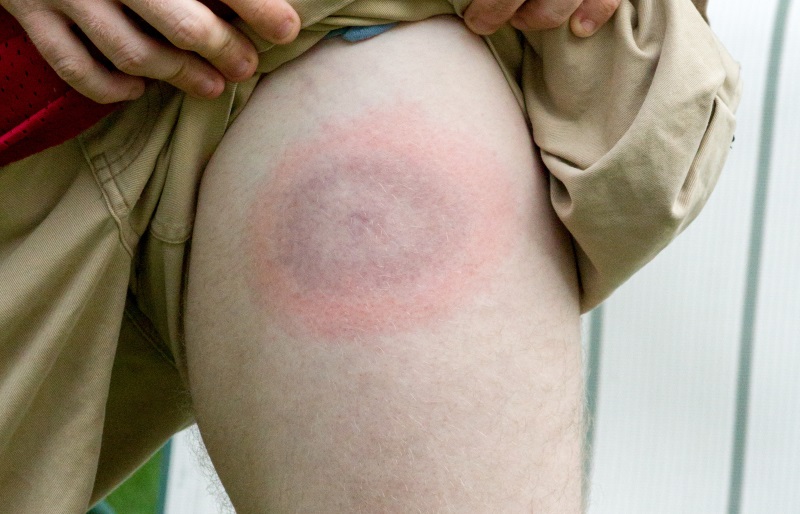
Lyme disease is transmitted primarily by ticks, but it can also spread mosquitoes, flies and nymphs (tiny ticks) !!! You can also get Lyme Disease through sexual intercourse. Many people who suffer from Lyme disease do not even remember a tick bite or have a characteristic erythema migrans. Erythema appears only in 40-50 percent of patients and it is easy to overlook a bite, especially if you catch a tiny nymph, which you can hardly see, and sometimes fall out, for example as a result of walking (if the bite occurred in the place of bending the knees).
When to go to the examination?
Lyme disease can affect everyone and, as it turns out, most people affected by it do not even know about its existence. They suffer because they have various symptoms of the disease, such as joint pain, depression, fatigue, and concentration disorders, which due to the omission of the source of the disease can not be cured. Symptoms that may suggest Lyme infection are:
Fatigue
Problems with sleeping
Pain in the joints, especially of the knees, back and neck
Headaches
Eye disorder, burning eyes
Fibromyalgia, muscle pain, tendons
Tinnitus
Cramps and sweating at night
Heart disorder (arrhythmia)
Breathing disorders (sleep apnea)
Facial nerve palsy
Root pain of the shoulder or lumbosacral plexus
Neurological disorders
Problems with concentration, dullness
Mood swings
Depression
Alternating diarrhea and constipation
Skin problems
Stomach and intestinal pains, digestive disorders
The occurrence of more than one of the above symptoms is disturbing and you should check the presence of borrelia bacteria. Lyme disease tests are also worth taking prophylactically, because Borelia bacteria can not give any symptoms for many years to eventually lead to serious damage to the body. The fact that we feel good does not mean that we are not infected with Lyme disease!